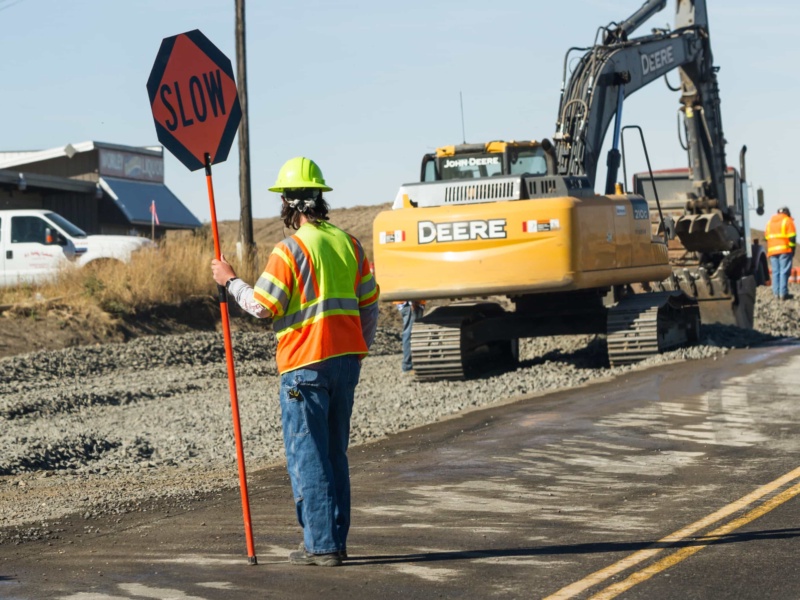
Southwest Missouri's road network presents unique hazards for both drivers and highway construction crews. Rural two-lane highways, heavy freight traffic, and winding curves through the Ozarks terrain create elevated risk throughout the region. The Missouri Department of Transportation (MoDOT) manages thousands of road miles here, many of which carry high daily traffic volumes past active work zones. Limited shoulder space, reduced sight distances, and narrow lane closures leave little room for error. Add in the commercial truck volume traveling through the Four States area, and the case for prioritizing road safety becomes undeniable.
Avoid Common Causes of Injuries and Deaths on Ozarks Roads
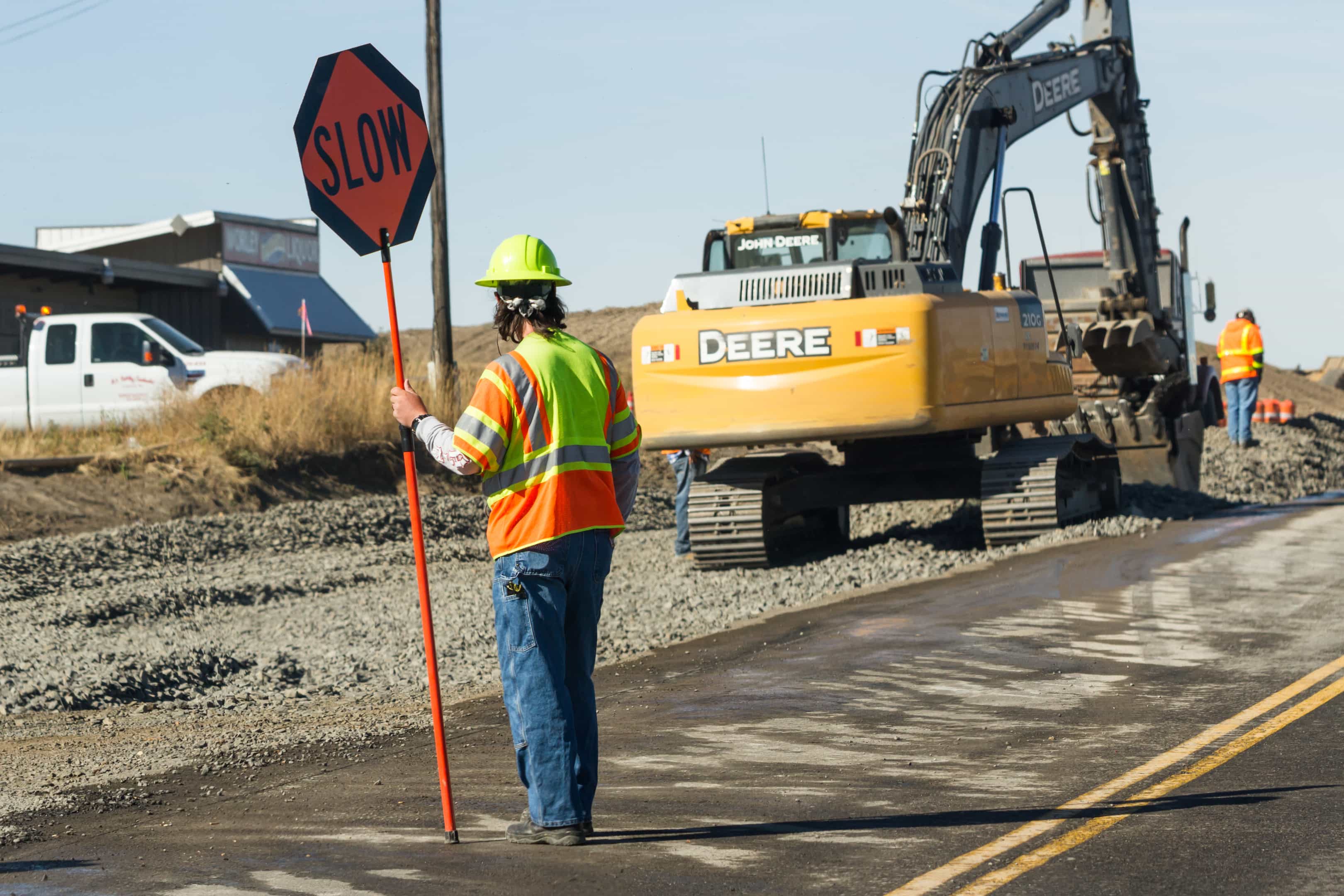
Distracted driving leads the list of work zone fatalities in Missouri, followed closely by speeding through road construction zones. When drivers fail to heed posted warnings, flaggers, and signage, the consequences can be deadly for both workers and motorists.
Reduce your risk with these safe driving tips:
- Put your phone away before entering any work zone (and at all times while driving).
- Follow posted speed limits—fines double in active construction areas.
- Increase the following distance to give yourself adequate reaction time.
- Watch carefully for sudden lane shifts and flaggers directing traffic.
- Never assume a work zone is inactive just because you don't see workers.
Safe Driving Tips for Southwest Missouri's Changing Seasons
Road safety on MoDot roads varies by season, and your driving habits should, too. Spring brings rain-slicked pavement and fog. Summer brings glare and heat shimmer that can obscure construction signage. Fall introduces early frost and wet leaves. Winter means ice and unpredictable stopping distances near construction zones on highways.
Adjust your approach throughout the year:
- Slow down early when approaching work zones in wet or icy conditions.
- Treat highway construction areas as potential ice zones in winter.
- Plan extra travel time year-round during active road construction periods.
Best Practices for Planning Safer Highway Construction Zones
Crews and project managers carry significant responsibility for road safety. A well-planned highway construction zone includes proper traffic control devices, clearly marked lane transitions, and advance warning signs placed at intervals appropriate for the posted speed limit.
Additional best practices include:
- Using cones, barrels, and barriers consistently throughout the zone.
- Scheduling lane closures during lower-traffic windows when feasible.
- Keeping emergency access routes clear by coordinating with local first responders.
- Conducting regular safety briefings to reinforce protocols on MoDOT roads.
Reaching Drivers Before They Arrive On-Site
Preparing drivers before they reach a work zone is just as important as the zone setup itself. MoDOT's Traveler Information Map is a reliable resource for tracking active road work statewide. Sharing project updates through local news outlets, community social media groups, and electronic message boards extends that awareness even further.
Community-level communication—neighborhood apps, contractor announcements, and local government posts—keeps more drivers informed in advance. When drivers know a highway construction zone is approaching, they can slow down, plan alternate routes, and make decisions that protect everyone on the road.
When your next construction project or cleanup job begins in the area, reach out to Big John's Service for reliable support. Get in touch today to ensure your project runs smoothly and safely. We proudly serve Joplin, Neosho, and Carthage, MO; Miami, OK; and Baxter Springs, KS.