Planning to tear down a structure in Joplin or anywhere in the Four States area? Whether you're clearing a residential lot or prepping a commercial site for new construction, the process involves more than a wrecking crew. Understanding the rules around permits, debris removal, and site prep can save you time, money, and legal trouble before the first wall comes down.
Do You Need a Demolition Permit?
In most jurisdictions, yes—you need a demolition permit before any teardown begins. Local building departments issue these permits to ensure structures are removed safely and in compliance with zoning, environmental, and safety codes. According to the U.S. EPA, pre-demolition inspections may be required by regulation, and federal environmental rules apply in addition to state and local requirements. Unpermitted demolitions can result in stop-work orders, fines, and full cleanup liability.
How to Get a Demolition Permit: Step by Step
Start with your local building or planning department. The typical process includes:
- Submit a permit application with site address, structure type, and demolition method
- Provide proof that utility disconnections are scheduled with each provider
- Pass a pre-demolition inspection for asbestos, lead paint, or other hazardous materials
- Pay the required permit fee
- Post the approved permit on-site before work begins
Processing times vary by municipality but typically run 5–15 business days.
Demolition Permit Costs: What to Budget
Permit costs vary by location, structure size, and project scope. Municipal fees for residential demolitions commonly range from $200 to $2,000; commercial projects run higher. Some jurisdictions charge flat fees; others calculate by square footage or project valuation. Contact your local building department for the exact permit cost schedule in your area.
Utility Disconnects, Inspections, and Site Prep
OSHA requires that all electric, gas, water, sewer, and steam lines be shut off, capped, or controlled outside the building line before demolition begins—and each utility company must be notified in advance. A missed utility disconnect can cause gas leaks, electrical fires, or sewage backflow during the teardown.
Confirm these steps before the crew arrives:
- Schedule an asbestos and lead paint inspection for any pre-1980 structure
- Disconnect phone, cable, and internet service lines
- Develop a stormwater pollution prevention plan if the site drains to a waterway
- Arrange traffic control for structures adjacent to a public roadway
Debris Sorting, Rolloffs, and Hazardous Waste
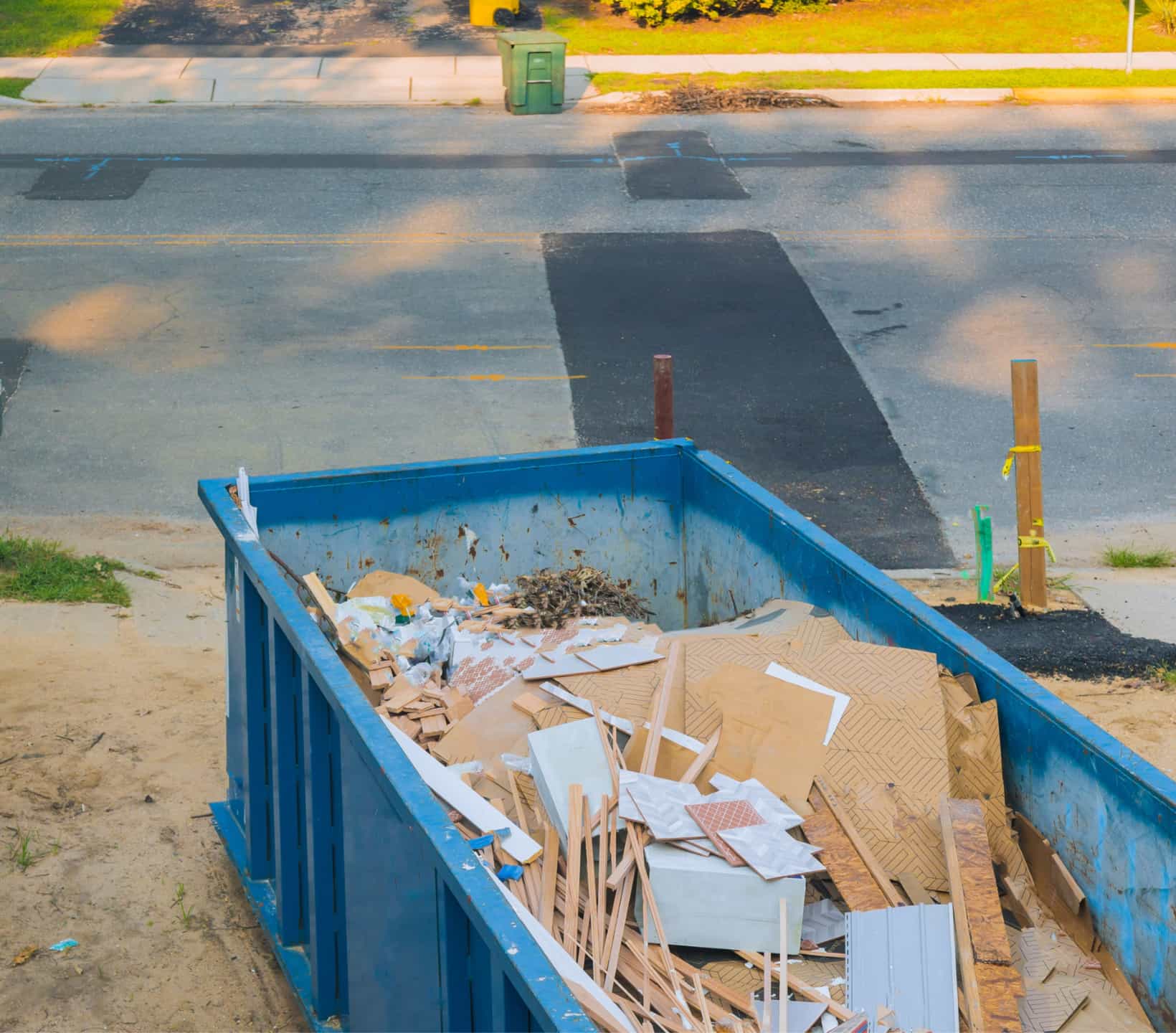
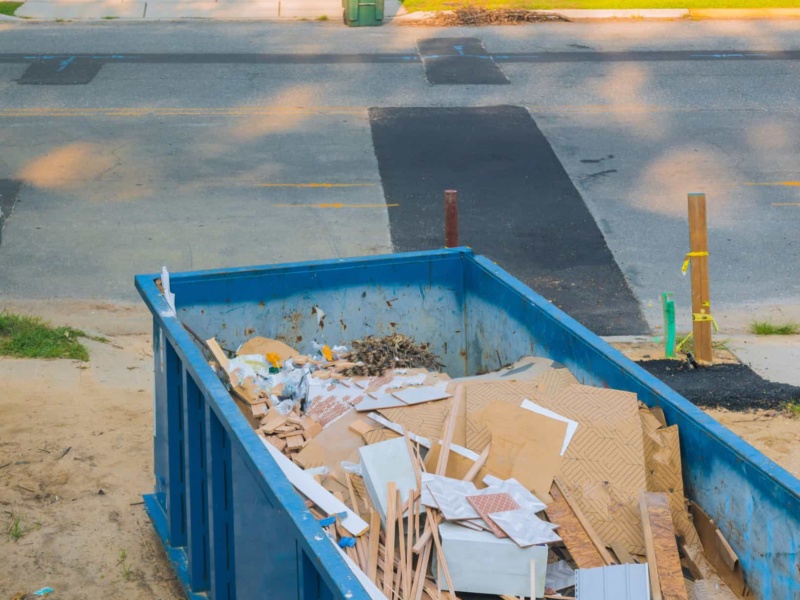
Not all demolition debris goes in the same bin. The EPA classifies construction and demolition materials separately from hazardous waste—mixing them creates costly disposal problems. Concrete, brick, and clean wood are typically included in a standard rolloff dumpster rental; metal should be sorted separately for recycling. Hazardous materials—including asbestos, lead paint chips, solvents, and PCBs—require a licensed hazardous waste hauler and cannot be placed into a standard debris removal container. A 14-day rolloff dumpster rental covers most residential demolition timelines; larger commercial projects may need multiple swaps.
Ready to Schedule Your Rolloff?
Big John's makes debris removal simple for homeowners and businesses across the Joplin, Missouri area. From the first demolition permit pull to the final load-out, our team helps you choose the right dumpster size, coordinate pickup timing, and keep your project on schedule. Call Big John's today at 417-540-0663 to book your rolloff dumpster rental and take one item off your tear-down checklist.